

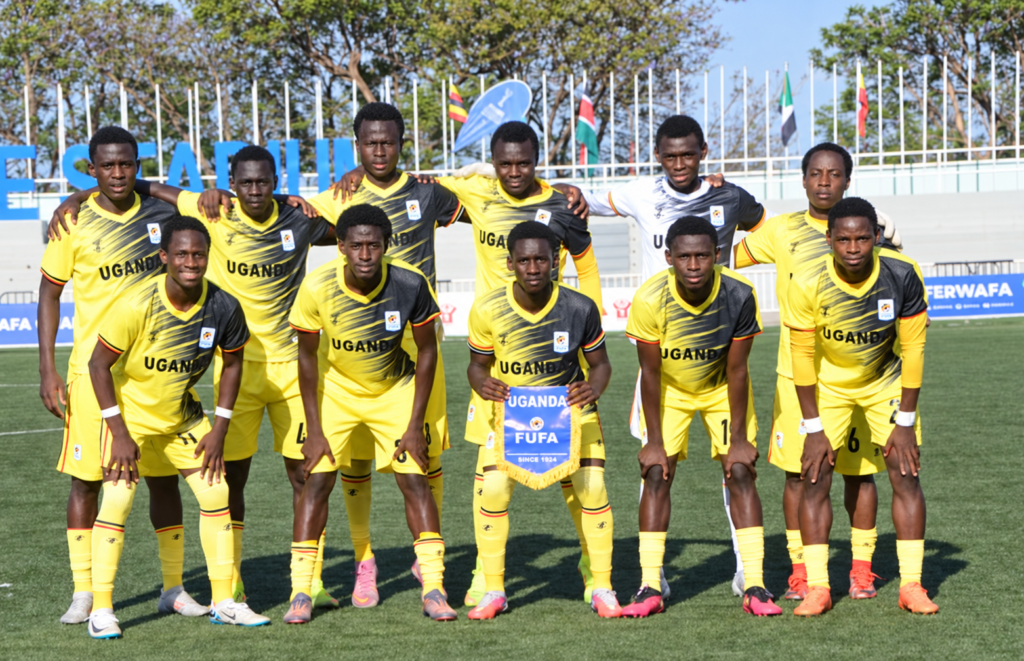
Uganda Cubs secured a third successive U17 Africa Cup of Nations qualification on Saturday, strengthening their pursuit of another World Cup appearance.
Laryea Kingston’s side defeated Ethiopia 4–0 at Kigali Pele Stadium, booking their place at the 2027 continental finals with authority.
The achievement also provides valuable competitive preparation for the 2026 FIFA U17 World Cup, which begins in Qatar next month.
However, Uganda must still negotiate next year’s Afcon to qualify for the 2027 World Cup and complete three consecutive global appearances.
Before those assignments, the Cubs face Somalia in Monday’s CECAFA U17 qualifying final, with both teams already assured of continental qualification.
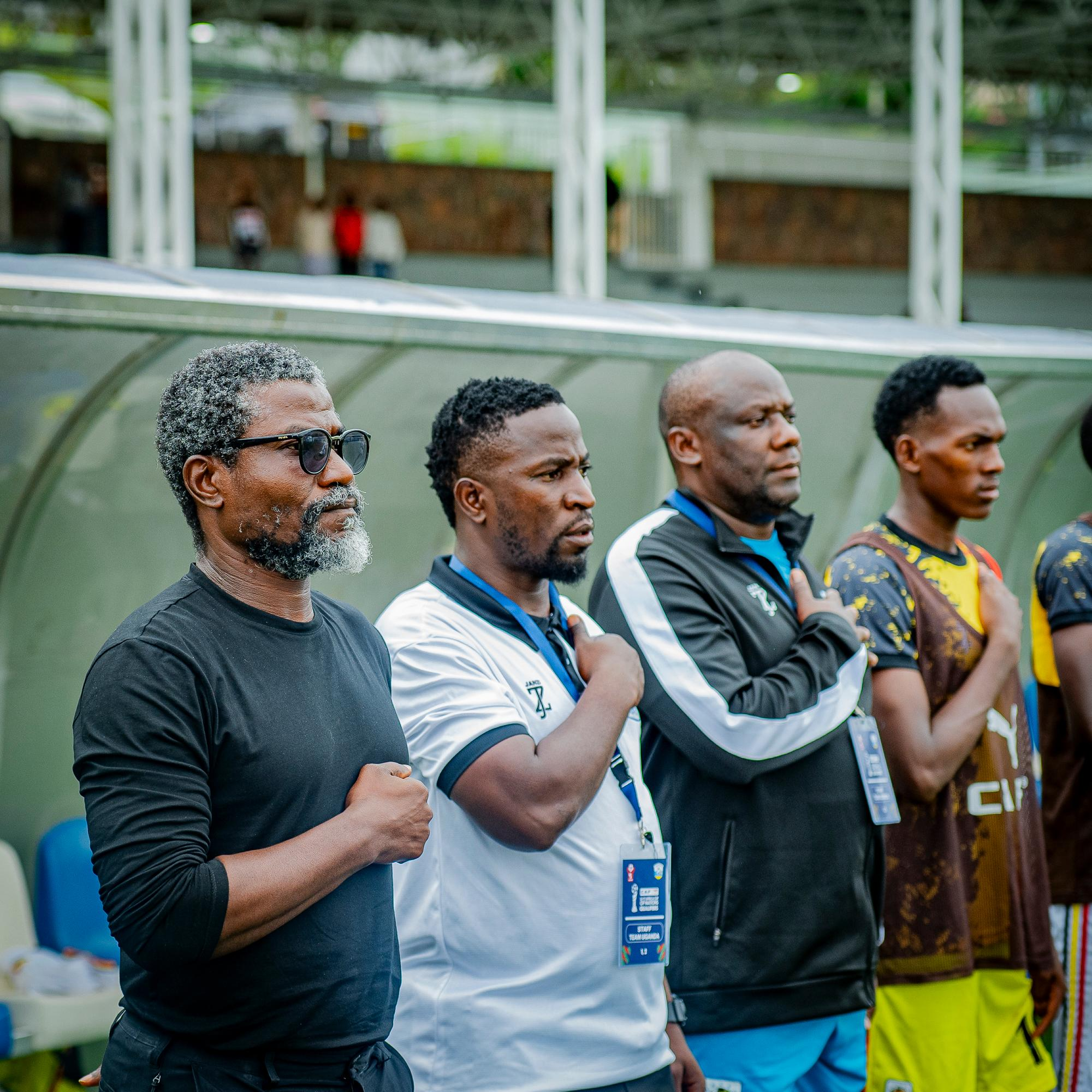
Somalia defeated Rwanda 5–4 on penalties following a 1–1 draw, leaving the hosts and Ethiopia contesting the region’s third qualifying place.
Uganda reached the final unbeaten after three matches, scoring 13 goals and conceding once across an increasingly convincing regional campaign.
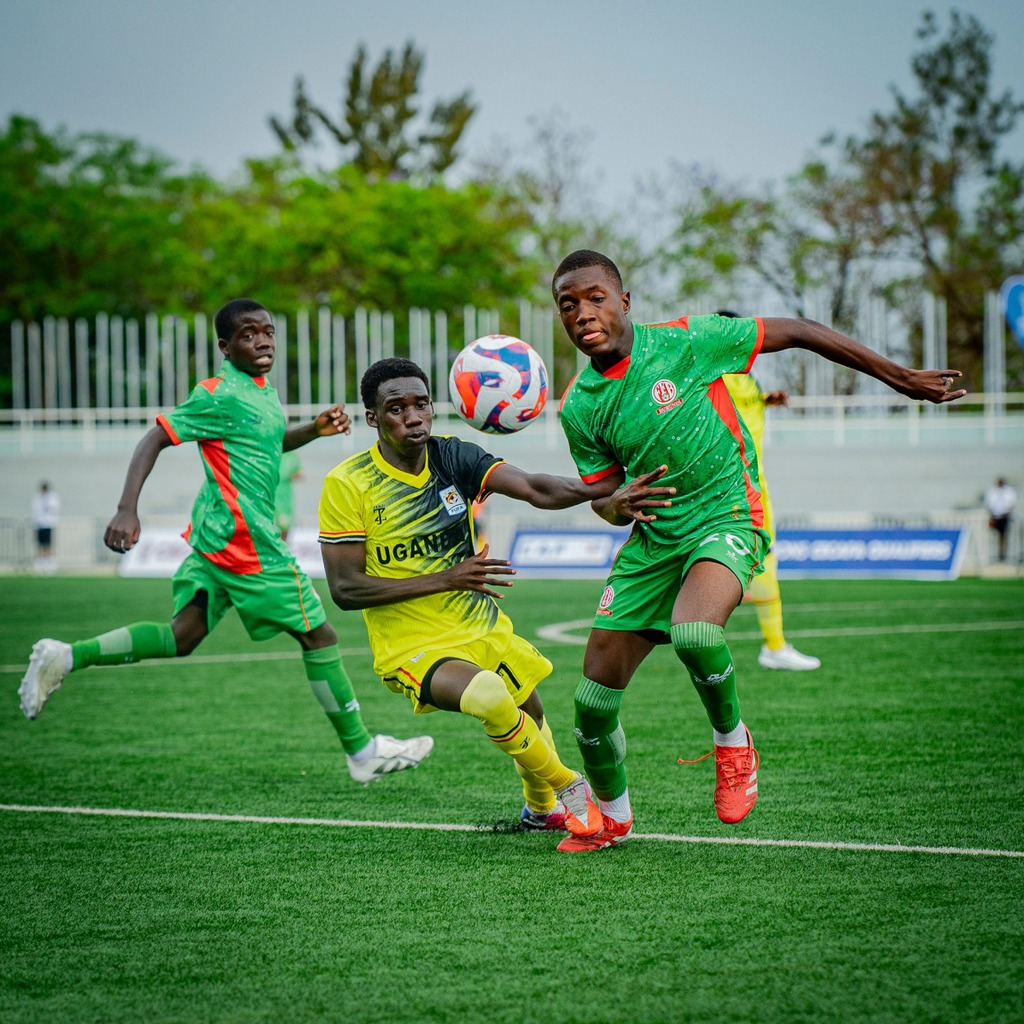
The Cubs opened with an 8–0 victory over Burundi on October 10, establishing a four-goal halftime advantage before extending their dominance.
Arnold Kayemba scored twice, while Arafat Ibanda, Nicholas Kawooya and Junior Afoyrwoth also contributed before substitute Sebastian Fisher Scott completed a hat-trick.
The Partick Thistle forward headed home Afoyrwoth’s delivery before twice exploiting passes from Shaldon Ssevume to complete an impressive international debut.
“I dedicate the goals to my mum, my dad and my brother,” Fisher said after his memorable introduction to international football.
Ethiopia presented a tougher examination on October 14, taking the lead through Zemichael Minyahel Niguse in the 70th minute.
Kayemba equalised six minutes later, securing a 1–1 draw that left Uganda above Ethiopia on goal difference, both having collected four points.
Ethiopia advanced as the best runner-up, creating an immediate semifinal rematch that Uganda approached with considerably greater ruthlessness from kickoff.
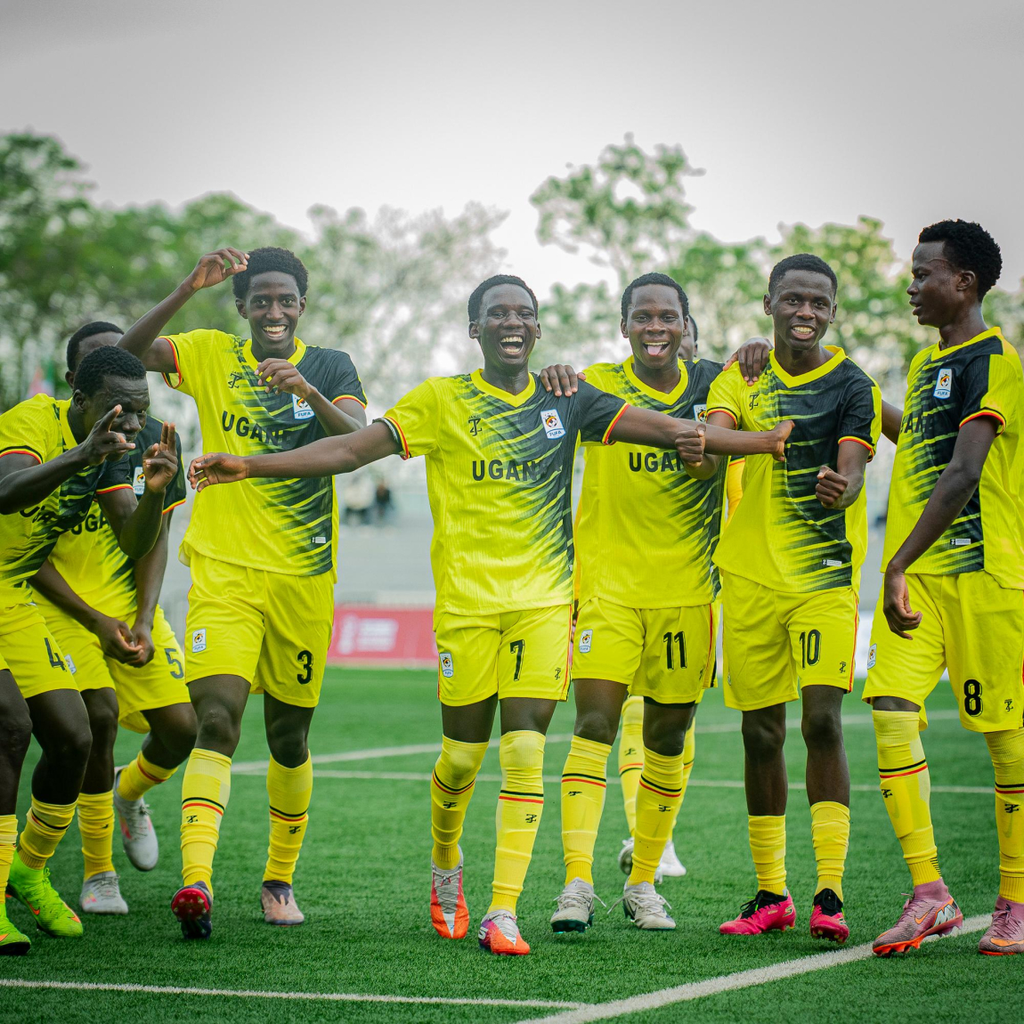
Ukasha Jemba opened the scoring after two minutes with a powerful effort from outside the penalty area, immediately unsettling Ethiopia.
Kayemba doubled Uganda’s advantage five minutes later, before Yusuf Ssenyonga scored twice before halftime to put the contest beyond Ethiopia.
The victory took Kayemba to four tournament goals, ahead of Fisher’s three and Ssenyonga’s two, underlining Uganda’s varied attacking contributions.
Yet Uganda’s Afcon history shows why regional dominance must become a foundation for improvement, particularly against the continent’s strongest youth sides.
The Cubs finished third in their group on their 2019 debut, losing to Angola before beating Tanzania and drawing with Nigeria.
They collected four points from those matches, scoring four goals and conceding twice, but missed progression behind Nigeria and Angola.
Uganda also qualified for the 2021 tournament, which was cancelled because of Covid-19, before returning to the continental finals in 2025.
That campaign began with a 5–0 defeat to Morocco, followed by a 3–0 victory over Tanzania and a 2–1 loss to Zambia.
Third place provided a World Cup playoff opportunity, which Uganda seized by recovering to defeat The Gambia 2–1 and qualify for Qatar.
This year’s Afcon again ended at the group stage, despite Uganda opening their campaign with a convincing 3–0 victory over DR Congo.
A 1–0 defeat to Cameroon followed, before Uganda drew 2–2 with Côte d’Ivoire through Arafat Ibanda’s penalty deep into stoppage time.
They subsequently overcame Ghana 8–7 on penalties following a 2–2 playoff draw, securing their second consecutive appearance at the World Cup.
Reflecting on that May encounter, Kingston identified a defensive weakness that remains relevant as Uganda prepare for stronger opposition.

“I think Ghana caught us by counter-attack and offensive transitions,” Kingston told FUFA after securing qualification for the 2026 World Cup.
His assessment points towards an obvious priority: improving defensive organisation whenever possession is lost, particularly when Uganda commit players forward.
Across three completed Afcon appearances, Uganda have yet to advance from their group, making continental knockout qualification the next clear target.
Better control of tight matches, sharper finishing and fewer defensive lapses would reduce reliance on late recoveries and qualifying playoffs.
Kigali has offered useful preparation, testing attacking combinations against Burundi, resilience in the group draw and decisive execution during the semifinal.
Next month’s World Cup presents a different challenge, with Uganda drawn alongside South Korea, Ecuador and New Caledonia in Group B.
The Cubs begin against South Korea on November 19, face Ecuador on November 22 and meet New Caledonia three days later.
The tournament runs until December 13, with Uganda joining nine other African representatives in the expanded 48-team global competition.
Morocco, Cameroon, Senegal, Mali, Côte d’Ivoire, Egypt, Tanzania, Algeria and Mozambique complete Africa’s contingent, providing another significant platform for continental talent.
Uganda return with encouraging memories from their 2025 debut, when Brian Ssenyondo’s team progressed to the last 16 in Qatar.
They lost 2–1 to Canada, drew 1–1 with Chile and defeated France 1–0 through James Bogere’s winner to advance from Group K.
Uganda then defeated Senegal 1–0 in the round of 32, with Abubakali Walusimbi scoring and goalkeeper Edrisah Waibi protecting their advantage.
Their campaign ended against Burkina Faso in the last 16, losing 5–3 on penalties after a 1–1 draw without suspended striker Bogere.
Uganda finished with two victories, two draws and one defeat in normal time, scoring five goals and conceding four across five matches.
That performance established a demanding benchmark, while Kigali has ensured another opportunity to strengthen Uganda’s growing presence in international youth football.
For Kingston, the challenge now is turning regular qualification into deeper tournament runs, beginning with another competitive World Cup campaign.