

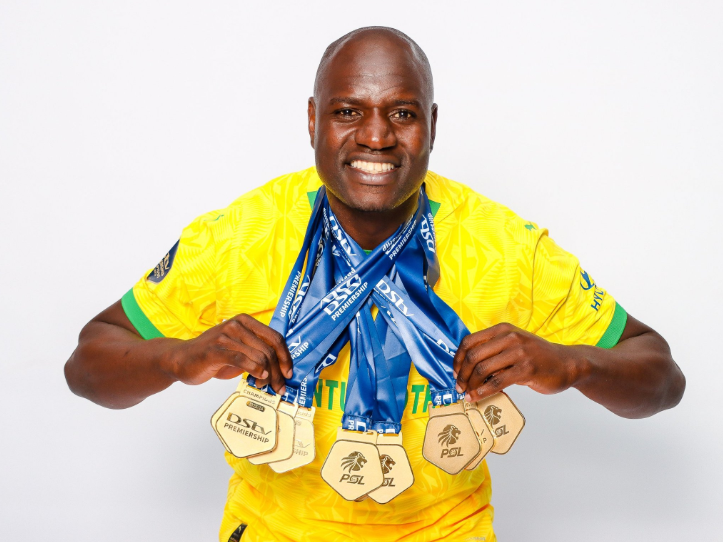
Twenty years in South African football, 12 league championships and 24 major trophies with South African clubs. Denis Onyango’s achievements demand a prominent place in the game’s history.
Would that place be more readily acknowledged if the Ugandan goalkeeper were South African?
A SuperSport graphic celebrating Onyango’s two decades and 24 titles circulated widely, with Ronwen Williams among those sharing it on Instagram.
Williams added a salute, offering recognition from a fellow goalkeeper who understands the demands behind Onyango’s longevity.
That tribute invites a wider discussion about how football measures greatness, and whether nationality influences the recognition attached to achievement.
Onyango’s case rests on sustained success, decisive performances and the ability to remain useful long after many contemporaries have retired.
A career built across generations
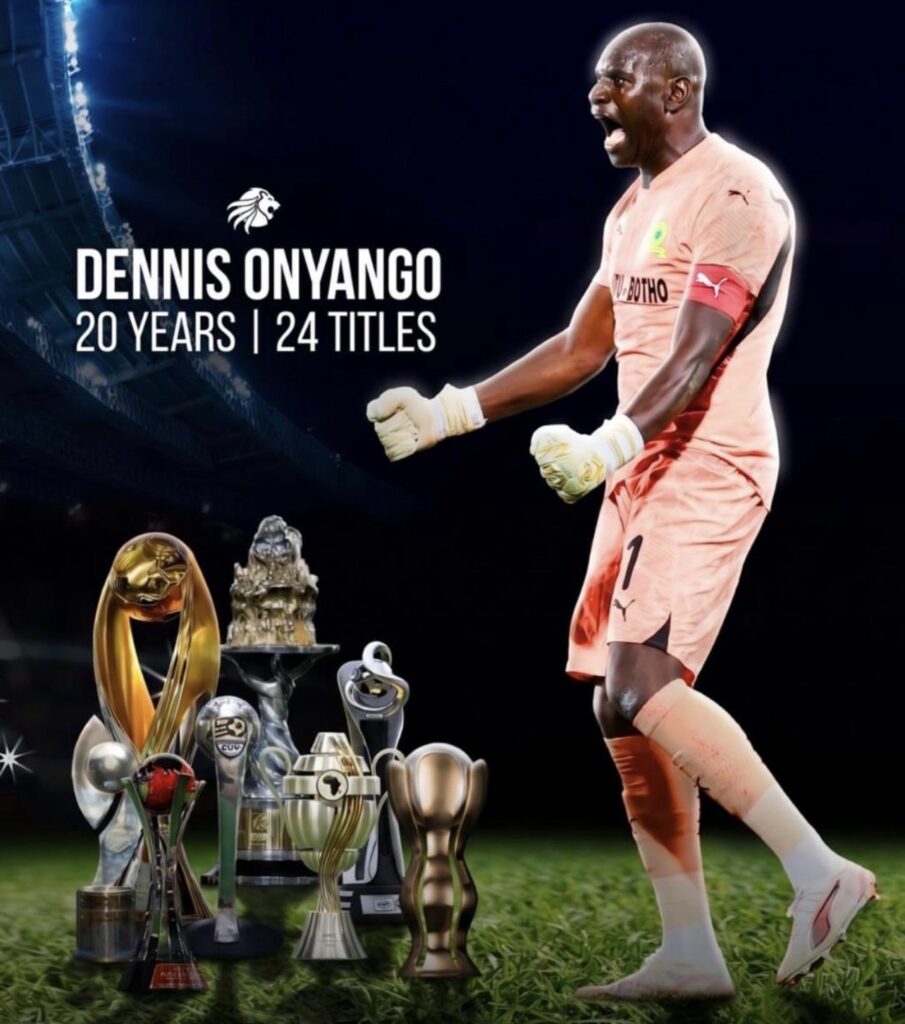
His South African journey began at SuperSport United in 2006, following spells with SC Villa in Uganda and Saint George in Ethiopia.
He had already won the 2004 Ugandan league title with Villa, the 2005 CECAFA Kagame Cup and the 2005/06 Ethiopian championship with Saint George.
At SuperSport, Onyango collected three consecutive league championships in 2007/08, 2008/09 and 2009/10, establishing the foundations of an extraordinary medal collection.
His subsequent journey included a season at Mpumalanga Black Aces, a move to Sundowns in 2011 and a loan spell at Bidvest Wits.
Those years matter because they reveal a career that required patience. Onyango endured limited opportunities before establishing himself at Chloorkop.
He spent the 2013/14 season at Wits, explaining why Sundowns’ championship that season is excluded from his recognised league-title tally.
His first league championship with Sundowns arrived in 2015/16, eight successive titles followed between 2017/18 and 2024/25.
That brought his total to a record 12; three with SuperSport and nine with Sundowns.
The clean sheets behind the medals
The strongest assessment of Onyango must also examine what he contributed to those successes.
In 2015/16, he kept 14 league clean sheets as Sundowns won the championship, earning the PSL Goalkeeper of the Season award.
Five seasons later, he recorded 15 clean sheets in 25 league appearances, shutting out opponents in 60 per cent of his matches.
That 2020/21 campaign delivered another championship and another Goalkeeper of the Season award, demonstrating his ability to maintain high standards over several years.
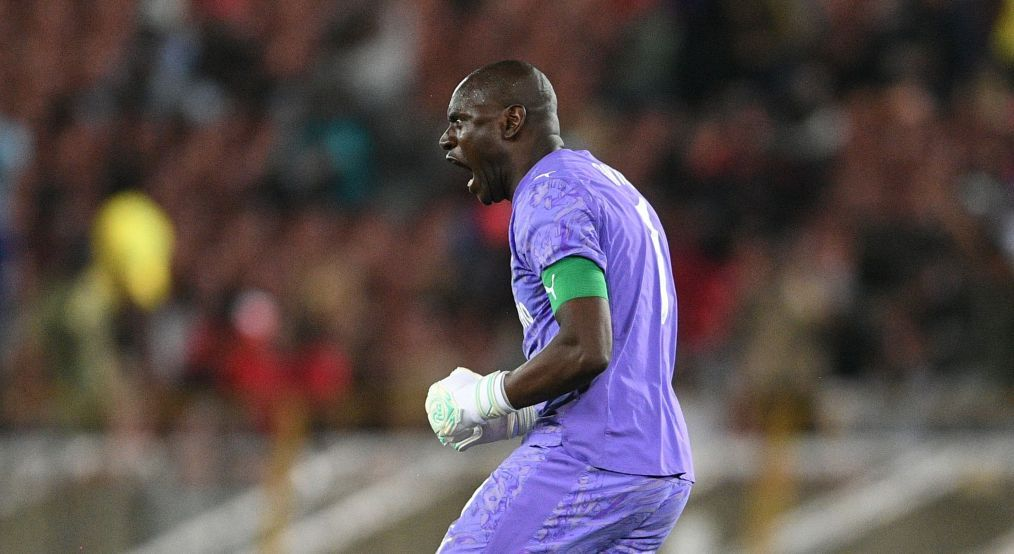
Those two campaigns alone produced 29 league clean sheets, providing evidence of the performances behind his championship record.
Clean sheets depend on the entire team’s defensive work, they nevertheless help explain why Onyango became such an important figure during his years as first choice.
Even as his opportunities diminished, he continued contributing, in 2024/25, he recorded six league clean sheets across 10 appearances.
His longevity combines an outstanding peak with an ability to contribute as his responsibilities changed.
Success beyond the league
Onyango’s major honours at Sundowns also include three Nedbank Cups, won in 2014/15, 2019/20 and 2021/22, and two Telkom Knockout titles, secured in 2015 and 2019.
He added MTN8 honours in 2021 and 2026, alongside the 2017 CAF Super Cup and the inaugural African Football League in 2023.
The continental achievements carry particular significance, Onyango played a key role of Sundowns’ first CAF Champions League triumph in 2016 and remained for their second in 2026.
A decade separated those successes, connecting two generations of the club’s continental story.
The 2026 African-Asian-Pacific Cup completes the breakdown of his 24 major trophies with South African clubs: three at SuperSport and 21 at Sundowns.
His earlier successes in Uganda and Ethiopia sit outside that figure.
There were defining individual moments along the way. His penalty-saving performance against Cape Town City in the 2021 MTN8 final earned him the man-of-the-match award and helped end Sundowns’ 14-year wait for that trophy.
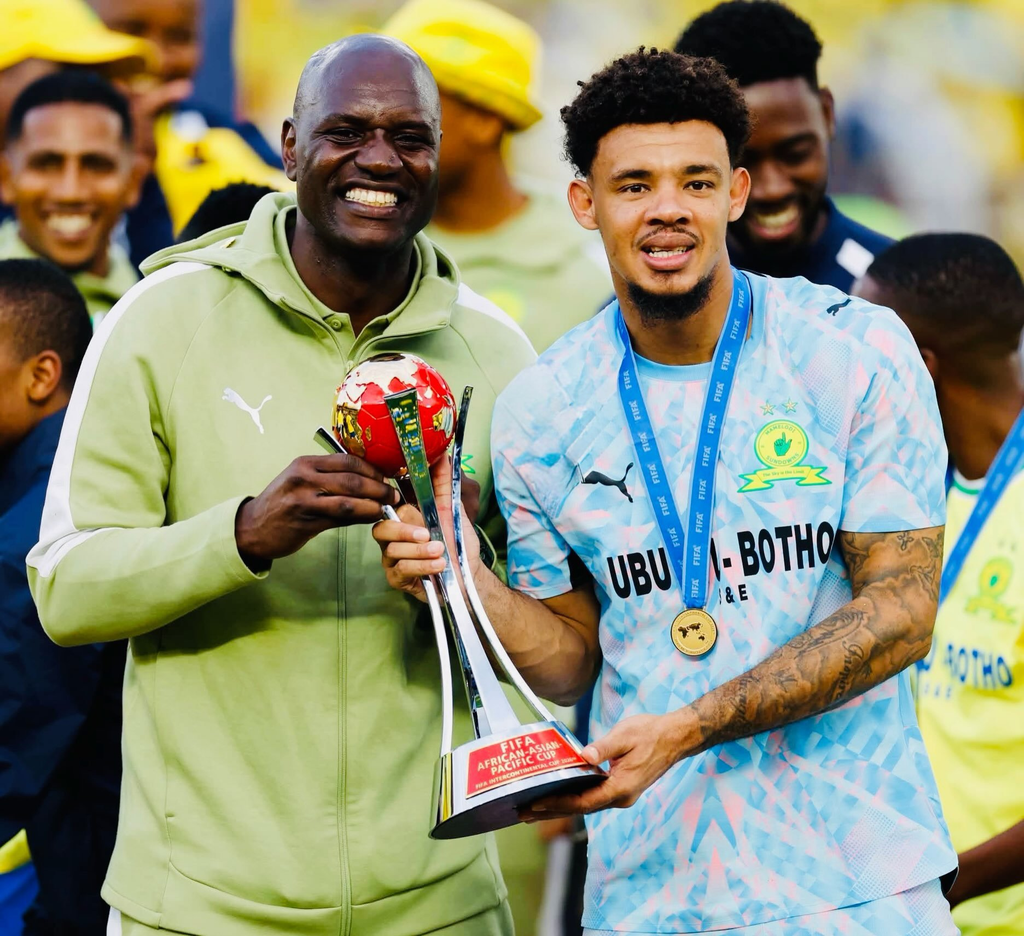
Such performances give the medal collection its meaning, they show how Onyango helped deliver success when the outcome remained uncertain.
Recognition should match contribution
A fair argument must acknowledge that his role has evolved, his recent trophies have come as an experienced squad member rather than an automatic starter.
Williams, for example, kept goal in the 2026 MTN8 final, Onyango was absent from the matchday squad listed in Sundowns’ report.
That distinction allows his career to be assessed honestly, without diminishing the performances that established his reputation.
At 41, remaining within Sundowns’ playing plans is itself evidence of durability, it should complement, rather than replace, an examination of his best years.
Would a South African nationality have brought greater visibility through Bafana Bafana and a stronger emotional connection with local supporters? It is a reasonable possibility.
It remains a hypothetical, there is no basis for claiming that nationality alone explains how every supporter views him.
Onyango has also received significant recognition, including CAF’s African-based Player of the Year award for 2016.
Williams’ public salute further challenges any suggestion that his achievements have gone unnoticed.
The question is whether the wider conversation gives sufficient weight to the full career; the clean sheets, championship-winning performances, continental success and two decades of endurance.
Uganda shares responsibility for documenting that legacy with the detail it deserves.
Supporters will always debate who was the greatest, Onyango’s record ensures he belongs in that discussion, and his nationality should never reduce the value of his contribution.