

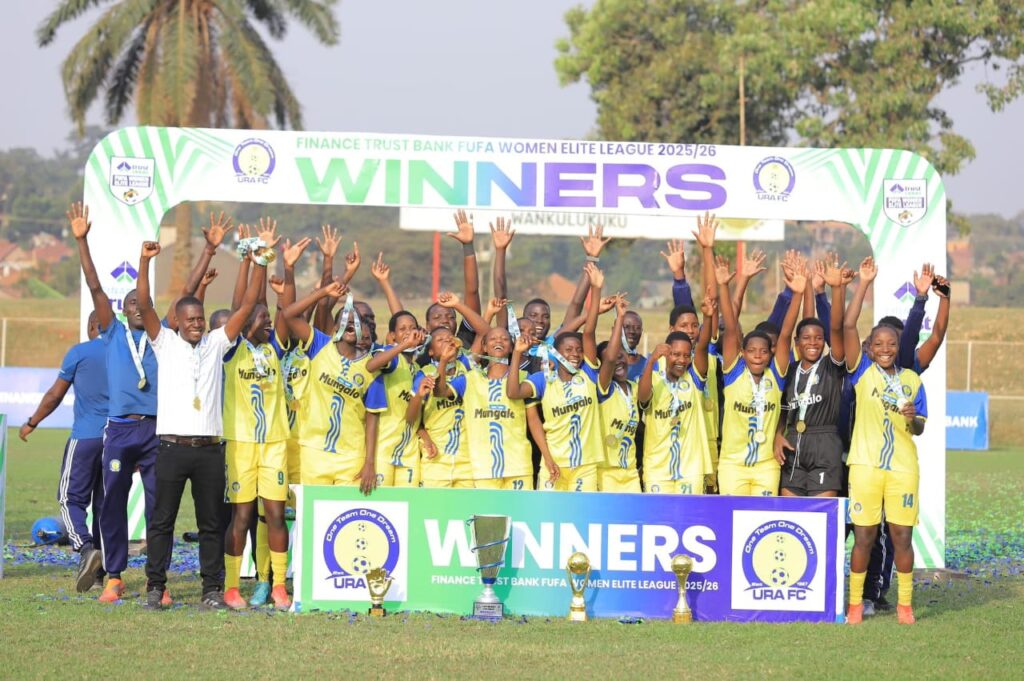
KAMPALA. From grassroots festivals to continental club football, Uganda is expanding opportunities for female players. The next challenge is turning that progress into sustainable careers.
Uganda’s women’s football is gaining ground, with youth success, continental club representation and grassroots investment creating more opportunities for female players.
The progress reflects efforts across different levels of the game, from introducing girls to football to preparing players and coaches for international competition.
It also contributes to Fifa’s ambition of reaching 60 million female footballers worldwide by 2027. The governing body supports that target through 13 women’s football development programmes, available to all 211 member associations.
For Uganda, however, the value of that growth will ultimately depend on whether more girls can progress into competitive senior football and build lasting careers.
Youth success strengthens the pathway
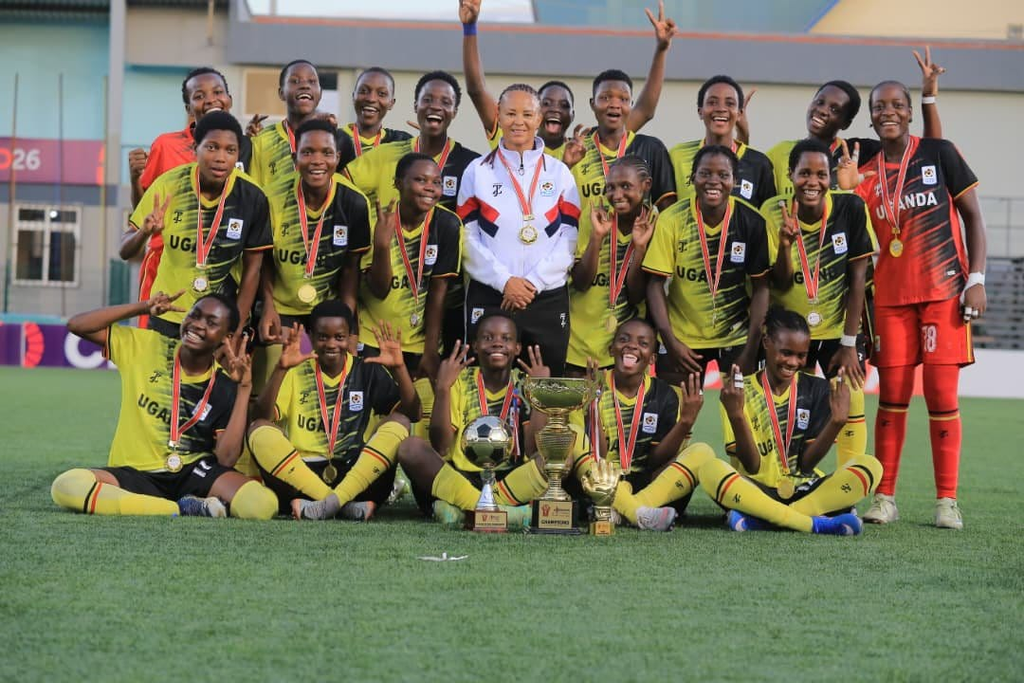
The Teen Cranes offered one of the clearest signs of Uganda’s emerging talent by retaining the 2026 Cecafa U-17 Women’s Championship.
They defeated hosts Tanzania 3-0 in the final, completing a campaign in which they won all five matches, scored 26 goals and conceded none.
The U-20 women’s national team also reached the final round of the Fifa U-20 Women’s World Cup qualifiers against Ghana.
At senior level, the Crested Cranes’ participation in the 2028 Olympic qualifiers provided further international exposure, although their campaign ended against Zambia.
Together, these teams offer a route towards senior international football. Maintaining that pathway requires consistent competition and support as players move between age groups.
Kawempe raise the bar
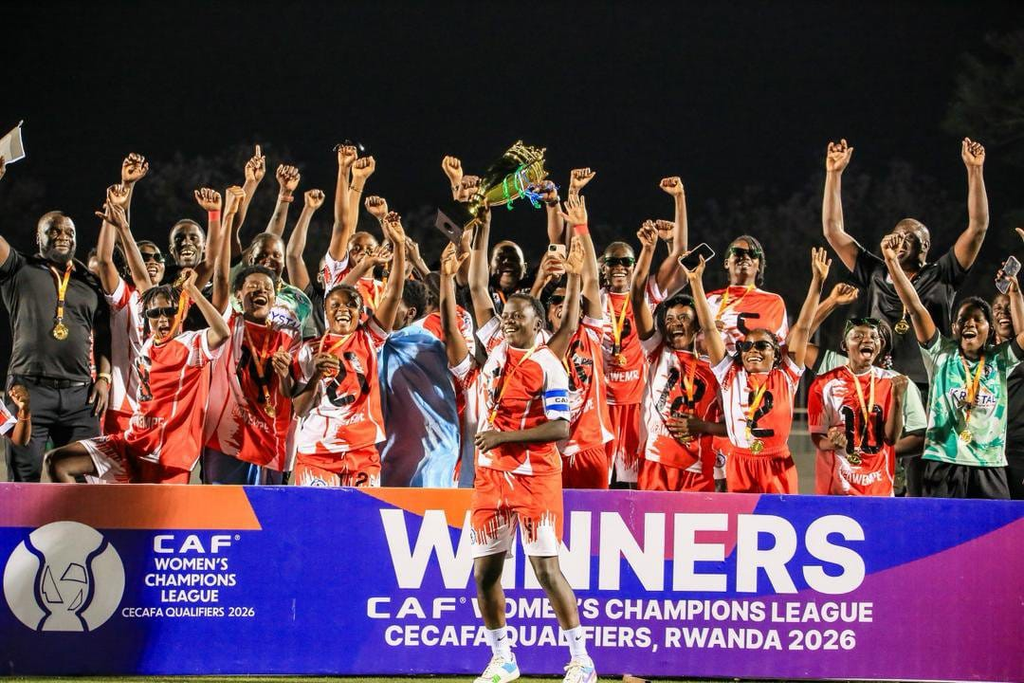
Kawempe Muslim Ladies’ breakthrough has given Uganda’s domestic clubs another example of what sustained development can achieve.
The club became Uganda’s first representative at the Caf Women’s Champions League after winning the 2026 Cecafa qualifiers in Kigali, Rwanda.
Kawempe won all four qualifying matches, scoring 13 goals without conceding. Captain Agnes Nabukenya’s extra-time winner against Kenya Police Bullets settled the final.
Their qualification for the continental tournament in Egypt marked a significant step for Ugandan club football, connecting domestic competition to Africa’s leading women’s clubs.
It also underlined the importance of strong clubs in developing players and providing opportunities beyond national team selection.
Uganda’s domestic framework comprises the Fufa Women Super League, Fufa Women Elite League and regional women’s leagues.
The regional competitions help extend organised football beyond Kampala, while the Elite League offers clubs a route into the top division.
For that structure to deliver consistently, clubs need the resources to retain players, improve coaching and sustain competitive programmes throughout the season.
Investment beyond the pitch
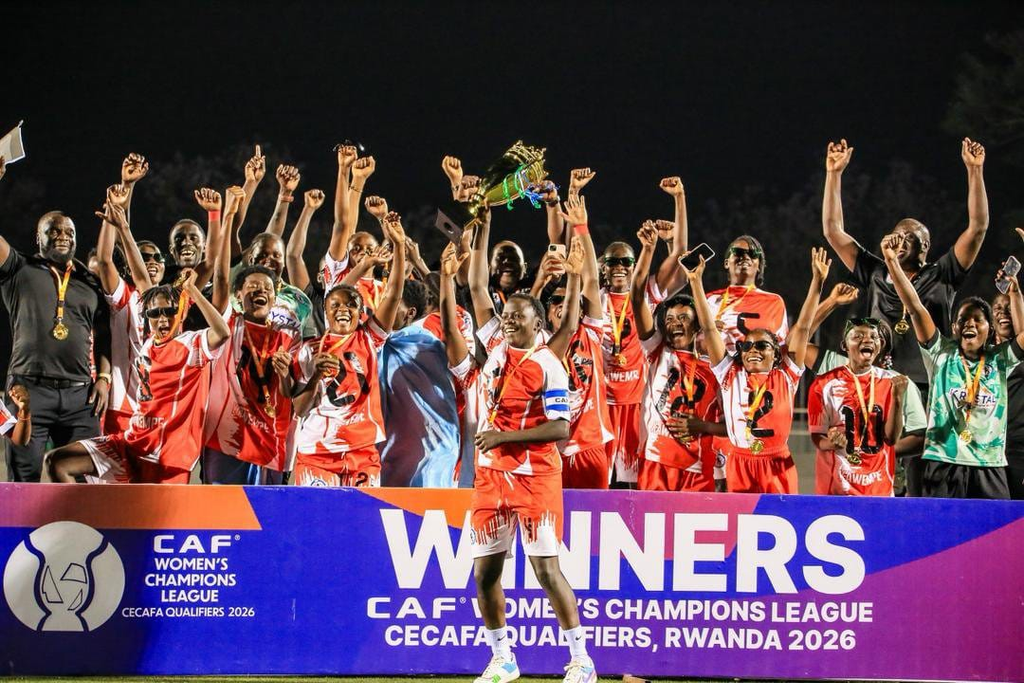
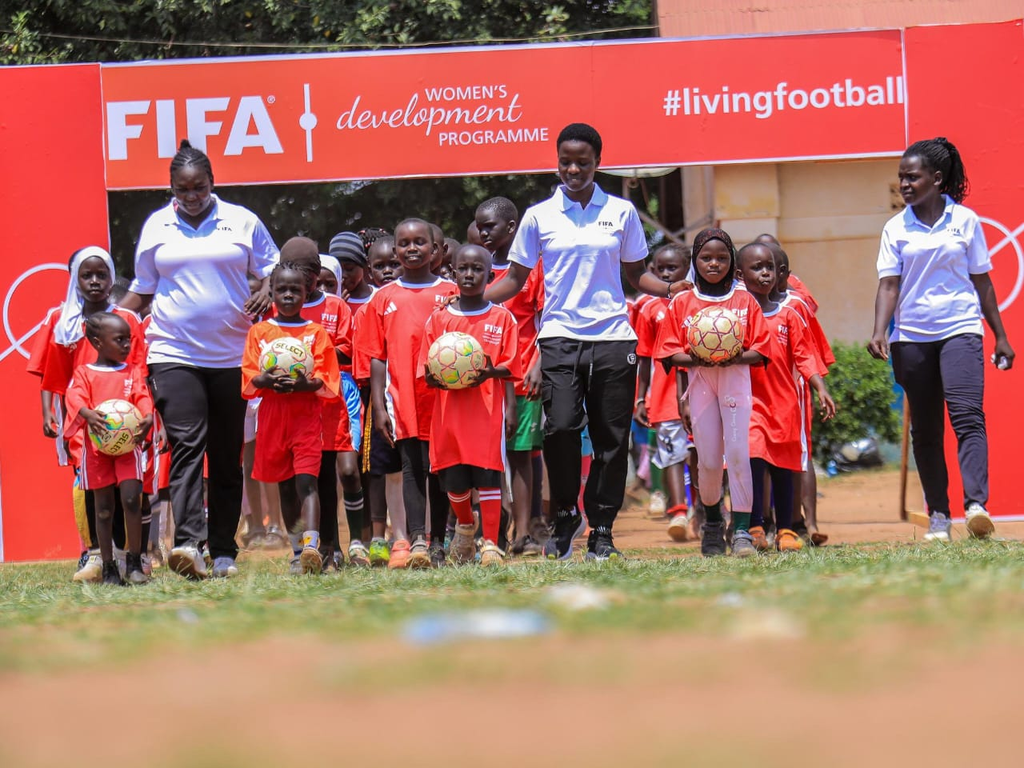
Grassroots initiatives are helping widen participation, including recent Women’s Football Campaign festivals in Lira and Gulu supported by Fifa.
According to Fifa’s October 2026 development update, the activities reached 225 girls in Lira and 116 in Gulu, with national team players serving as ambassadors.
The festivals followed earlier activities in West Nile in 2023 and Bukedea in 2025, extending efforts to introduce more girls to the game.
Support has also focused on the structures needed to sustain that participation.
In March 2026, Fifa highlighted Uganda’s involvement in its Women’s Football Commercial Strategy Programme, targeting stronger commercial foundations, investment opportunities and improved player welfare.
Coach education forms another part of that work. In September 2026, 30 Ugandan women undertook a Caf C coaching course through Fifa’s Coach Education Scholarships programme.
Developing more female coaches can strengthen player development while opening technical careers for women beyond their playing years.
Making progress last
Uganda’s next challenge is to ensure these gains reinforce one another, creating a clear route from grassroots and school football into senior competition.
Girls need access to suitable facilities, qualified coaches and safe playing environments. Clubs require reliable funding to improve welfare and provide more professional conditions.
Youth national team success must also be matched by opportunities for players returning to their schools and clubs, where most development takes place.
Uganda has established foundations through its domestic leagues, national teams and expanding grassroots programmes. Kawempe’s continental breakthrough adds another important milestone.
The lasting measure of progress will be how many girls remain in the game, reach senior football and find meaningful opportunities within it.