

Community engagement can help Ugandan football clubs strengthen local ties and offer sponsors value beyond shirt branding and matchday visibility.
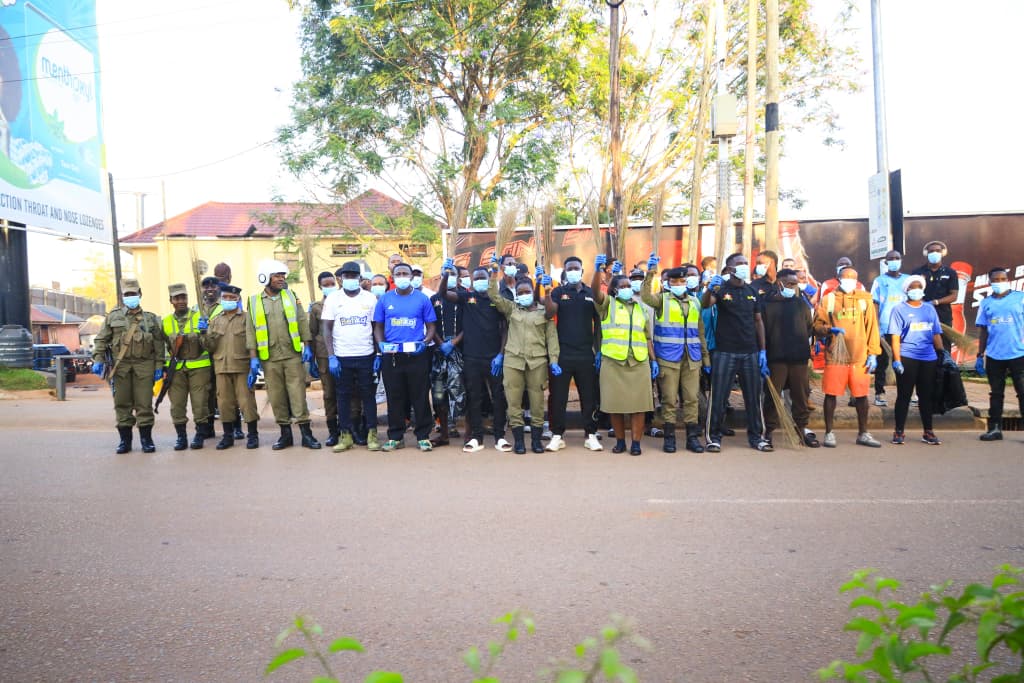
Ntugasaze FC’s participation in a community cleaning exercise on Saturday, October 31, offered Ugandan football clubs a lesson in building partnerships beyond matchdays.
The club joined shirt sponsor Betika, SafeBoda and Uganda Police to clean the Kira Road Police Arena, surrounding areas and a nearby market.
The exercise formed part of National Cleaning Day, a monthly campaign promoting environmental cleanliness and shared responsibility for public spaces.
For Ntugasaze, it also created an opportunity to engage residents and give its partners visibility outside competitive football.
Although a cleaning exercise does not guarantee sponsorship income, sustained community engagement can strengthen relationships that support a club’s commercial growth.
Value beyond shirt branding
Shirt branding, stadium advertising and matchday promotions give sponsors visibility, but community programmes can offer additional ways to connect with supporters.
Ntugasaze’s collaboration brought businesses and a public institution together around a shared objective, demonstrating football’s potential to mobilise local action.
For sponsors, such activities provide opportunities to support community priorities while reaching people who might never attend a league match.
For clubs, they offer another platform to demonstrate value to existing partners and introduce prospective sponsors to their work.
However, participation alone is insufficient. The commercial opportunity depends on whether clubs can sustain these relationships and demonstrate meaningful community benefits.
Consistency and evidence
Clubs could develop regular programmes in environmental protection, youth development, education or health, guided by local needs and available resources.
Clear objectives would help them approach organisations whose priorities match those programmes, with defined roles, budgets and expected outcomes.
Recording volunteer numbers, areas cleaned, residents reached and media coverage would also strengthen proposals and discussions over partnership renewals.
That evidence should demonstrate practical benefits to communities, alongside the publicity generated for clubs and their commercial partners.
Community work must retain its public purpose. Residents should benefit from programmes designed around their needs, with sponsorship helping sustain delivery.