

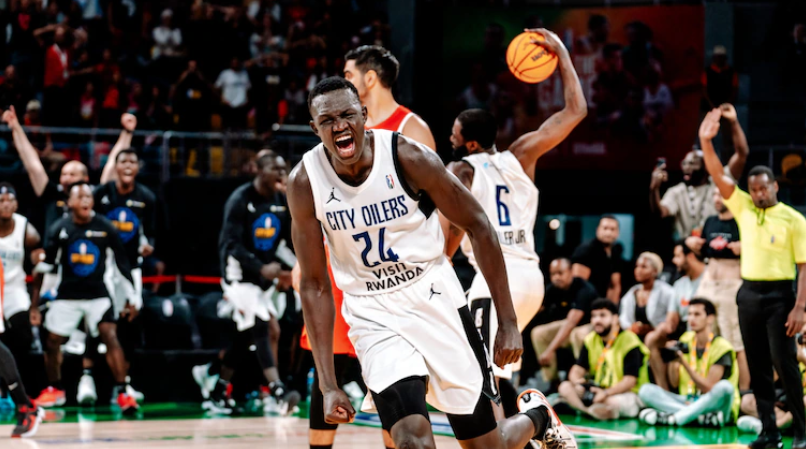
Uganda’s 10-time basketball champions City Oilers are preparing to announce plans for a modern indoor arena in Butabika, Kampala.
The anticipated development could transform Ugandan basketball infrastructure while strengthening the club’s ambitions to compete consistently on the African stage.
Reports suggest the project could follow the construction model used for Hoima City Stadium indoor arena.
Turkish construction company Summa, which delivered the Hoima facility, the BK Arena and Amahoro Stadium in Rwanda together with the Dakar Arena
has also been mentioned among potential contractors.
However, the project’s cost, seating capacity, construction timeline and contractor remain unconfirmed ahead of the expected official announcement.
The investment would represent another significant milestone in their remarkable journey from newcomers to domestic basketball giants.
More importantly, it could address an infrastructure challenge that has repeatedly undermined Uganda’s ambitions to host major international basketball competitions.
From domestic dominance to continental ambitions
Founded in 2011, City Oilers have developed into Uganda’s most successful basketball institution of the modern era.
The club rose through the domestic divisions before establishing an extraordinary championship-winning culture under long-serving coach Mandy Juruni.
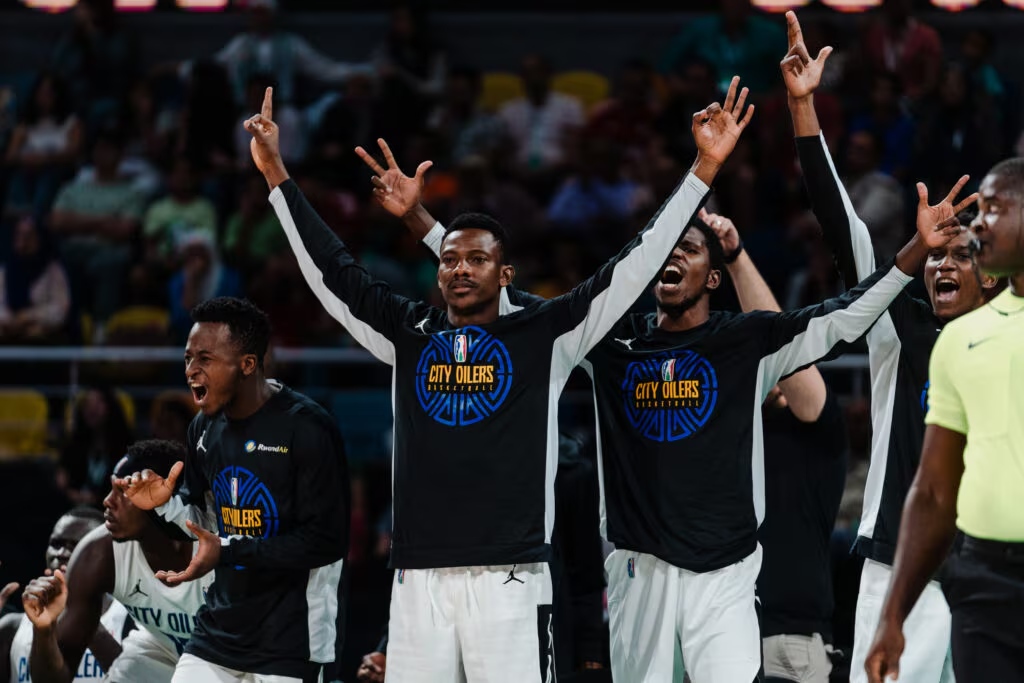
Their success has been driven by sustained investment, competitive recruitment and a determination to establish themselves among Africa’s basketball elite.
However, continental competition has presented challenges that domestic dominance alone cannot overcome.
Despite qualifying for the Basketball Africa League in 2023 and 2024, City Oilers have struggled to maintain consistent continental qualification.
Their experiences have also highlighted the disadvantages of competing away from home without access to an international-standard arena.
The costly Road to BAL experience
City Oilers have experienced several painful near misses during their Basketball Africa League qualification campaigns.
In 2021, they finished fourth in the East Division qualifiers in Kigali, missing qualification for Africa’s premier club competition.
They recovered in 2022, defeating Burundi’s Urunani 71-62 in the third-place playoff to secure their historic BAL debut.
In November 2023, City Oilers reached the East Division final before losing 70-68 to South Africa’s Cape Town Tigers.
Their qualification campaign for the 2025 BAL ended in Nairobi following another disappointing fourth-place finish.
The Ugandan champions lost 72-62 to hosts Nairobi City Thunder before suffering a heartbreaking 77-75 defeat against Urunani.
City Oilers had led Urunani 43-34 at halftime before surrendering their advantage in the decisive third-place playoff.
Those results raise questions about whether familiar surroundings and passionate home support might have influenced their continental fortunes.
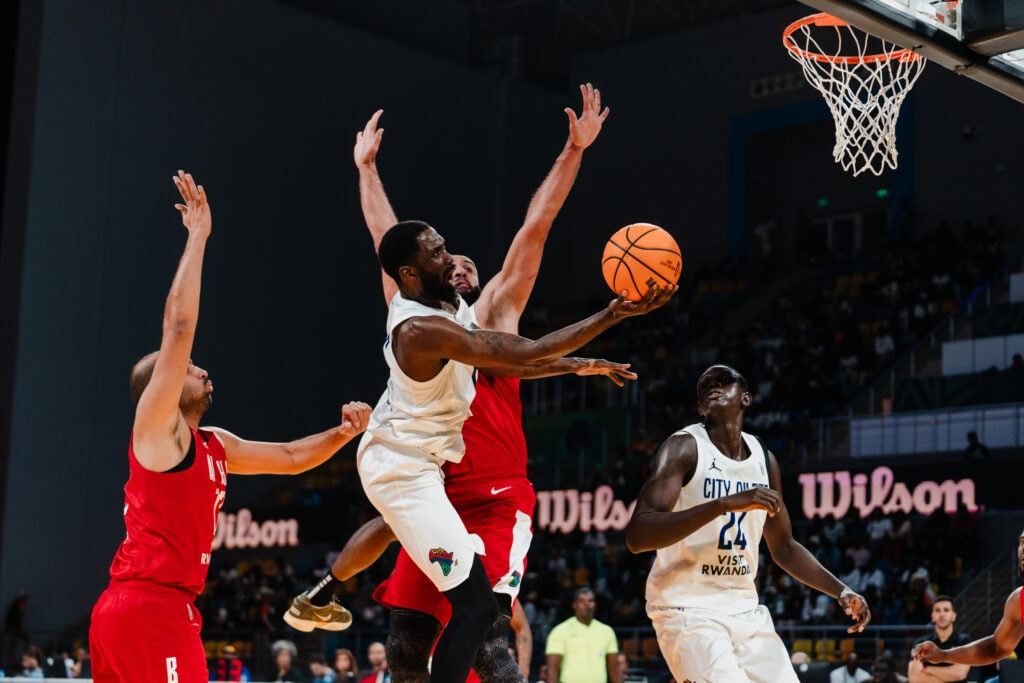
Playing at home could reduce travel expenses, improve preparations and provide a competitive atmosphere against visiting African clubs.
While home advantage cannot guarantee qualification, an approved arena would give City Oilers the opportunity to pursue hosting rights.
Why Uganda desperately needs another indoor arena
For decades, the Lugogo Indoor Arena has served as the traditional home of Ugandan basketball.
However, its ageing infrastructure has struggled to satisfy the increasingly demanding requirements associated with major international competitions.
Modern FIBA events require suitable playing surfaces, lighting, broadcasting facilities, changing rooms, medical services and spectator infrastructure.
Uganda’s limited indoor facilities have consequently restricted its ability to compete for prestigious continental hosting opportunities.
A modern arena in Butabika could change that position, provided its design meets the necessary international technical standards.
The development could potentially accommodate Road to BAL qualifiers, regional championships and international fixtures involving Uganda’s national teams.
It would also offer the Silverbacks and Gazelles improved facilities for training, preparation and competitive basketball.
Beyond basketball
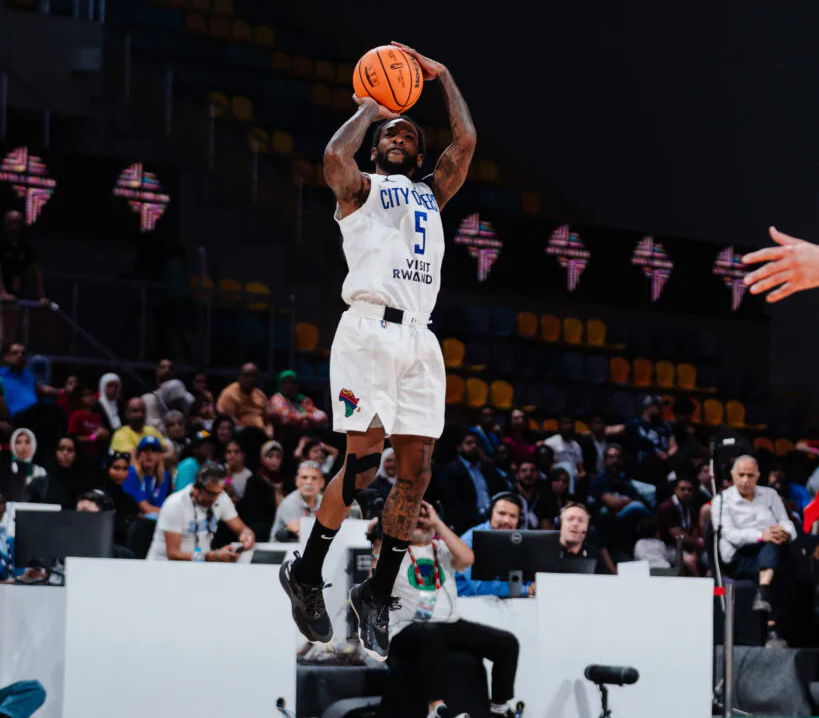
The proposed arena could also provide opportunities for volleyball, netball, handball and other indoor disciplines.
Its potential commercial uses could include concerts, exhibitions, conferences and corporate events, depending on the final design.
Such activities would generate additional revenue while supporting employment, hospitality, broadcasting and sports tourism around Kampala.
Rwanda’s BK Arena has demonstrated how modern indoor infrastructure can attract major continental basketball competitions and international attention.
Kenya also benefited from hosting Road to BAL qualifiers when Nairobi City Thunder secured qualification for the 2025 competition.
For Uganda, Butabika could become an important addition to a sporting infrastructure landscape undergoing significant transformation.
However, its long-term impact will depend on accessibility, affordability and opportunities for other sporting organisations to use the facility.